
Are you curious about the structure of the government in Bangladesh? Understanding how many ministries exist in this vibrant country can give you valuable insights into its political landscape.
Each ministry plays a crucial role in managing various aspects of governance, from health and education to finance and foreign affairs. We’ll break down the number of ministries, their functions, and how they impact your daily life. By the end, you’ll have a clearer picture of how Bangladesh operates and why it matters to you.
Let’s dive in!
Government Structure In Bangladesh
The government structure in Bangladesh has many important parts. It consists of several ministries that manage different areas. Each ministry is in charge of a specific function. For example, the Ministry of Education handles schools and colleges. The Ministry of Health takes care of hospitals and health services.
There are more than 40 ministries in total. Each ministry has its own secretary who leads it. These secretaries report to the Prime Minister. The Prime Minister is the main leader of the country.
Some key ministries include:
- Ministry of Finance – Manages money and budgets.
- Ministry of Foreign Affairs – Handles relations with other countries.
- Ministry of Agriculture – Focuses on farming and food.
- Ministry of Law – Deals with legal matters.
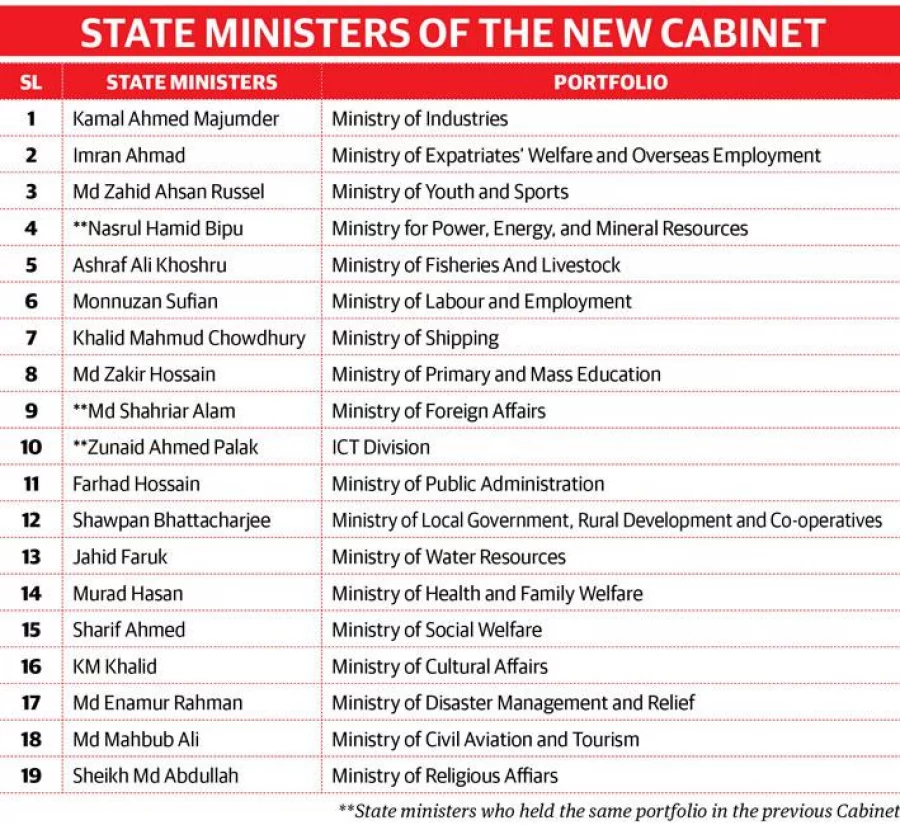
Role Of Ministries In Governance
The ministries in Bangladesh play a key role in governance. Each ministry focuses on specific areas. They help the government run smoothly. This includes health, education, and finance.
There are many ministries in total. Each one has its own duties. Here are a few important ministries:
- Ministry of Education: Manages schools and colleges.
- Ministry of Health: Looks after public health services.
- Ministry of Finance: Handles the country’s money.
- Ministry of Foreign Affairs: Deals with other countries.
These ministries help create policies. They also ensure laws are followed. Together, they work for the betterment of the country.
List Of Ministries
Bangladesh has many important ministries. Each ministry has a special job. They help run the country.
Core Administrative Ministries manage the main tasks. They ensure everything works smoothly.
Economic and Financial Ministries focus on money and trade. They help the economy grow.
Social Welfare and Education Ministries work on health and schools. They support people in need.
Infrastructure and Development Ministries build roads and bridges. They make sure the country develops.
Law and Security Ministries keep everyone safe. They enforce the laws of Bangladesh.
Responsibilities Of Each Ministry
The responsibilities of each ministry in Bangladesh are important. They help shape the country’s future.
Policy Formulation is one key task. Each ministry creates rules and plans. This helps the government work better.
Public Service Delivery is another major role. Ministries provide services to the people. This includes health care, education, and security.
Inter-Ministerial Coordination is also crucial. Ministries must work together. They share information and resources to solve problems.
Key Ministries And Their Functions
The Ministry of Finance manages Bangladesh’s money. It handles budgets and taxes. This ministry ensures the economy runs smoothly.
The Ministry of Education looks after schools and colleges. It creates policies for learning. This ministry aims to improve education quality.
The Ministry of Health and Family Welfare cares for people’s health. It runs hospitals and health programs. This ministry focuses on better health for all.
The Ministry of Home Affairs keeps the country safe. It manages police and security. This ministry also looks after laws and order.
Recent Changes In The Ministry System
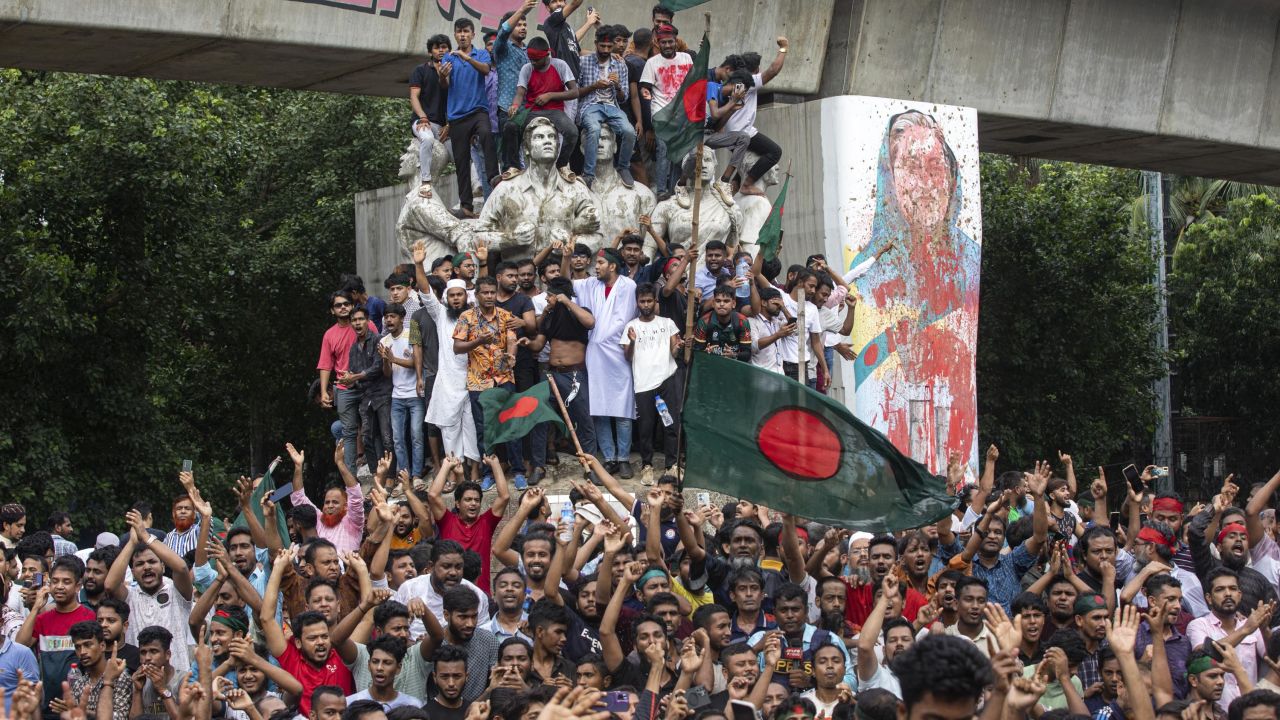
Recently, Bangladesh made changes to its ministry system. The number of ministries increased. This change helps to manage various sectors better.
Some important ministries include:
- Ministry of Education – Focuses on schools and colleges.
- Ministry of Health – Manages hospitals and health services.
- Ministry of Finance – Handles the country’s money and budget.
- Ministry of Agriculture – Works on farming and food production.
These ministries play a key role. They help in development and growth. Each ministry has its own specific tasks. This makes it easier to serve the people.
Challenges In Ministry Operations
Many ministries in Bangladesh face resource allocation issues. Funds are often not enough. This makes it hard to meet the needs of citizens.
Another problem is bureaucratic hurdles. Many rules slow down the work. Staff may struggle to get approvals. This can delay important projects.
Transparency concerns are also big. People want to know how money is spent. Lack of clear information creates distrust. This makes it hard for the government to gain public support.
Future Of Ministry System In Bangladesh
The ministry system in Bangladesh is very important. It helps the government run smoothly. Each ministry has a special role. They handle different areas like education, health, and finance.
Future changes may improve how ministries work. There could be a focus on technology. This can help ministries become more efficient. Better services may reach people faster.
Public engagement will also grow. Citizens may have more say in decisions. This can lead to better policies that meet people’s needs.
Finally, strong leadership is key. Leaders can inspire change. They can guide ministries toward a better future.
Conclusion
Bangladesh has a diverse government structure. Understanding the number of ministries is essential. Each ministry plays a crucial role in governance. They address various issues from health to education. This system helps manage the country’s needs effectively. Knowing how many ministries exist gives insight into the government’s focus.
It highlights priorities in development and public service. Stay informed about these ministries for a better understanding of Bangladesh’s governance. This knowledge can help citizens engage more actively in their community.

Author: Nasir Uddin
Nasir Uddin is a dedicated writer and researcher at BanglaLook.com, where he explores topics related to education, Bangladeshi culture, lifestyle, and travel. With a strong passion for learning and storytelling, he blends personal observation with well-researched insights to help readers better understand Bangladesh and the world around them.
