Are you curious about the administrative structure of Bangladesh? Understanding how many divisions are in Bangladesh can give you valuable insight into the country’s geography and governance.
Each division has its own unique culture, history, and attractions that make exploring them a fascinating experience. We’ll break down the divisions of Bangladesh, revealing what makes each one special. By the end, you’ll have a clearer picture of this vibrant nation and perhaps even some ideas for your next visit.
Let’s dive in!
Administrative Structure
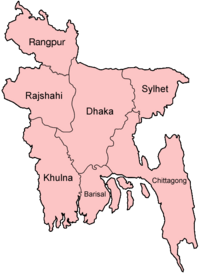
Bangladesh has eight divisions. Each division is important for administrative purposes. They help the government in many ways.
Divisions represent different regions of the country. Each division has its own unique culture and history. This helps to show the diversity of Bangladesh.
Divisions play a big role in governance. They help with the distribution of resources. They also help manage local issues. Each division has a commissioner to oversee this work.
People in each division can access government services more easily. This makes life better for everyone. Divisions also help in planning and development.
List Of Divisions
Bangladesh has eight divisions. Each division has its own charm.
Dhaka is the capital hub. It is busy and full of life.
Chattogram is the port city. It is important for trade.
Rajshahi is known as the silk city. It produces beautiful silk.
Khulna is the industrial powerhouse. It has many factories.
Barishal is the riverine region. It is famous for its rivers.
Sylhet is the tea garden. It grows many tea plants.
Rangpur is the agricultural heartland. It has lots of farms.
Mymensingh is the newest addition. It is growing quickly.
Key Characteristics Of Each Division
Bangladesh has eight divisions. Each division has its own population and demographics. The total population is over 160 million. Some divisions are more populated than others.
Economic contributions vary by division. The Dhaka division is the most developed. It has many industries and businesses. Other divisions focus on agriculture and fishing.
Cultural highlights are rich and diverse. Each division has unique traditions. Festivals, food, and art differ across regions. For example, Chittagong is known for its beautiful hills and beaches.
| Division | Population | Main Economic Activity | Cultural Highlight |
|---|---|---|---|
| Dhaka | over 20 million | Industry | Vibrant city life |
| Chittagong | around 8 million | Shipping and trade | Beautiful hills |
| Khulna | over 2 million | Agriculture | Sundarbans mangrove forest |
Administrative Evolution
Bangladesh has a rich history of administrative changes. It has evolved from small districts to larger divisions. This change helps in better management and governance. Divisions allow for easier control over regions.
As of now, there are eight divisions in Bangladesh. Each division contains several districts. These divisions help organize the country’s resources. Local governments can work more efficiently. Recent changes have improved public services and infrastructure.
Each division has its own unique culture and traditions. This diversity adds to the beauty of Bangladesh. People enjoy different festivals and foods across the divisions.
Significance Of Divisions
The divisions of Bangladesh play a key role in regional development. Each division has unique resources and challenges. This diversity helps in targeted growth. Local governments can focus on specific needs. A strong division can improve infrastructure. This leads to better transportation and services. Divisions also help shape national identity. People feel a sense of belonging to their region. This can unite communities. Cultural events often reflect local traditions. They strengthen the ties among residents. In summary, divisions are crucial for both development and identity. Their impact is felt across the entire nation.
Challenges In Division Management
Managing divisions in Bangladesh has many challenges. Balancing resources is tough. Each division needs different amounts of money and help. Some areas have more needs than others.
Addressing regional disparities is important. Some regions are rich, while others are poor. This makes it hard to treat everyone fairly. Local leaders must work together. They need to share resources equally. Fairness helps all divisions grow.
Without fairness, some places will lag behind. People in poorer areas may feel ignored. Leaders must listen to everyone. Only then can they find good solutions.
Future Prospects
Bangladesh has a bright future. There is a strong potential for new divisions. This can help local areas grow and develop. New divisions can improve local services.
Strengthening local governance is key. It allows for better decision-making. Local leaders can meet the needs of their communities. More divisions can also lead to more jobs.
Better local governance means better resources. It can increase public participation. People will feel more connected to their leaders. This leads to a stronger community.

Conclusion
Bangladesh has eight divisions. Each division holds its own unique culture and attractions. These divisions help in better administration and local governance. They also promote regional development. Understanding these divisions is important for anyone interested in Bangladesh. It enhances your knowledge about the country’s structure.
Exploring each division offers a glimpse into the diverse life of its people. By knowing more, you can appreciate the rich heritage of Bangladesh. Remember, each division tells a different story. Discover them all for a complete experience.

Author: Nasir Uddin
Nasir Uddin is a dedicated writer and researcher at BanglaLook.com, where he explores topics related to education, Bangladeshi culture, lifestyle, and travel. With a strong passion for learning and storytelling, he blends personal observation with well-researched insights to help readers better understand Bangladesh and the world around them.
