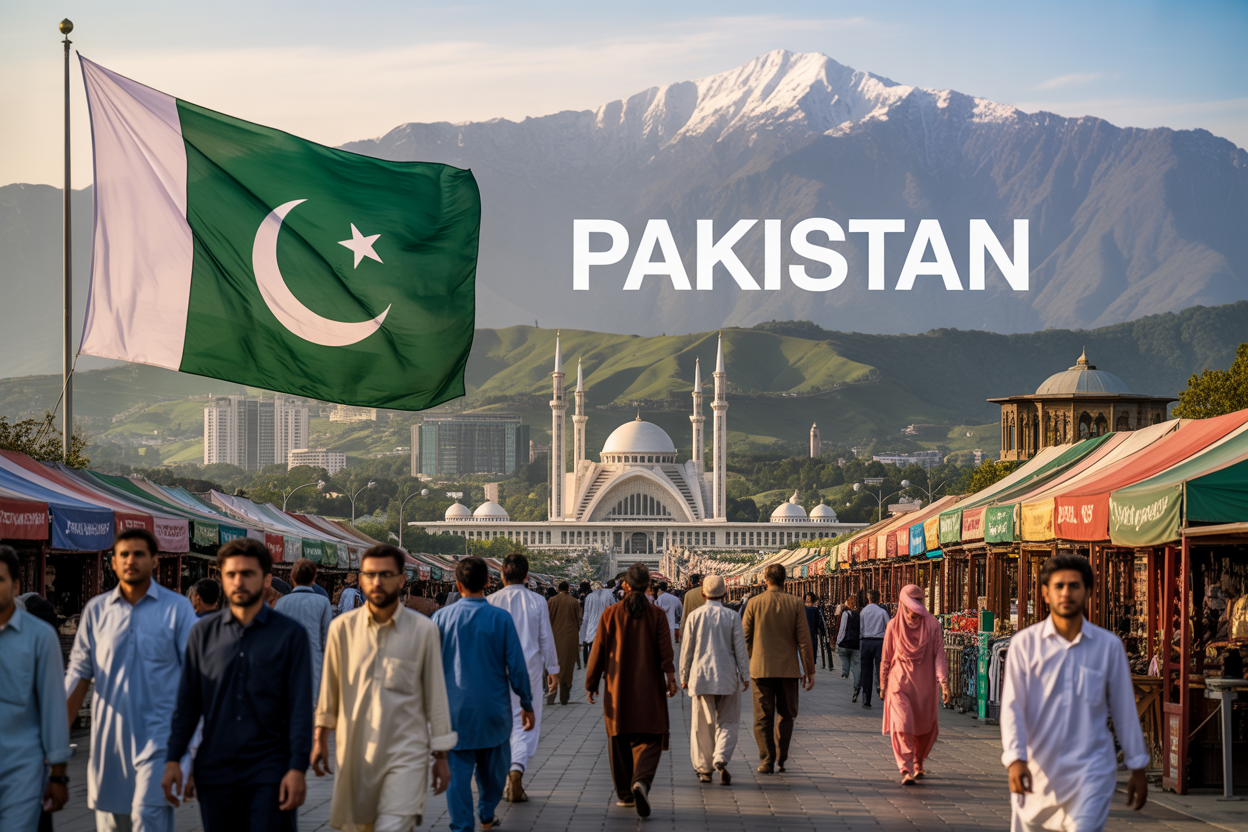
Pakistan stands as one of South Asia’s most fascinating nations, blending ancient civilizations with modern aspirations. This comprehensive guide serves students, travelers, and anyone curious about this diverse country of over 240 million people.
You’ll discover how Pakistan emerged as an independent nation in 1947 and explore the rich cultural traditions that shape daily life across its provinces. We’ll also examine Islamabad’s role as the planned capital city and break down the country’s economic landscape, from agriculture to emerging tech sectors.
From the snow-capped peaks of the Himalayas to the bustling streets of Karachi, Pakistan’s story encompasses complex history, vibrant culture, and ambitious development goals that continue shaping its future.
Origins and Formation of Pakistan
Ancient Civilizations and Early Settlements
The land that now forms Pakistan has been home to some of humanity’s oldest civilizations. The Indus Valley Civilization, also known as the Harappan Civilization, flourished here between 2500-1500 BCE. Major cities like Harappa and Mohenjo-daro showcased advanced urban planning, sophisticated drainage systems, and standardized weights and measures that were remarkably ahead of their time.
Archaeological evidence reveals these early settlers developed complex trade networks extending from Central Asia to Mesopotamia. Their script remains undeciphered, but artifacts suggest a peaceful society focused on commerce and craftsmanship. The civilization’s decline around 1500 BCE remains a mystery, though climate change and shifting river patterns likely played significant roles.
Following the Harappan decline, various Indo-Aryan tribes migrated into the region, bringing new languages, customs, and religious practices. These groups established smaller kingdoms and introduced the foundations of what would later become Hindu philosophy and social structures. The region’s strategic location along trade routes continued to attract diverse peoples, creating a rich tapestry of cultures that would define the subcontinent for millennia.
Islamic Conquests and Medieval Period
The arrival of Islam in the 8th century marked a transformative period for the region. Muhammad bin Qasim’s conquest of Sindh in 711 CE opened the doors for subsequent Islamic invasions and the gradual spread of Muslim culture across the subcontinent.
The Ghaznavid dynasty under Mahmud of Ghazni launched numerous raids into northern India during the 11th century, establishing the first significant Muslim foothold in the region. These campaigns weren’t just military expeditions but also facilitated cultural exchange and the introduction of Islamic art, architecture, and administrative systems.
The Delhi Sultanate period (1206-1526) brought more permanent Muslim rule to much of northern India. Various dynasties including the Mamluks, Khaljis, Tughlaqs, and Lodis established their capitals in Delhi while extending their influence across present-day Pakistan. This era saw the construction of magnificent mosques, tombs, and forts that still stand today.
The Mughal Empire (1526-1857) represented the pinnacle of Islamic rule in the subcontinent. Emperors like Akbar, Shah Jahan, and Aurangzeb not only expanded territorial control but also fostered a unique Indo-Islamic culture that blended Persian, Central Asian, and local traditions. The Mughals established Lahore as a major provincial capital and built architectural marvels throughout the region.
British Colonial Rule and Independence Movement
British influence in the subcontinent began through the East India Company’s trading posts in the 17th century. Following the Battle of Plassey in 1757, the company gradually expanded its territorial control. The region that would become Pakistan fell under British dominance through a series of conflicts and treaties throughout the 18th and 19th centuries.
The British Raj, established in 1858 after the Indian Rebellion, brought significant administrative and infrastructural changes. Railways connected distant regions, telegraph lines improved communication, and new educational systems introduced Western knowledge alongside traditional learning. However, colonial rule also brought economic exploitation, cultural suppression, and social disruption.
Muslim leaders began organizing political responses to colonial rule in the late 19th century. Sir Syed Ahmad Khan advocated for Muslim education and cooperation with the British, while others pushed for greater political representation. The All India Muslim League, founded in 1906, emerged as the primary political voice for the subcontinent’s Muslims.
The independence movement gained momentum during the 20th century. Leaders like Muhammad Ali Jinnah initially supported Hindu-Muslim unity but gradually became convinced that Muslims needed their own homeland to protect their political and cultural interests. World War I and II further accelerated demands for independence from British rule.
Partition of India and Birth of Pakistan
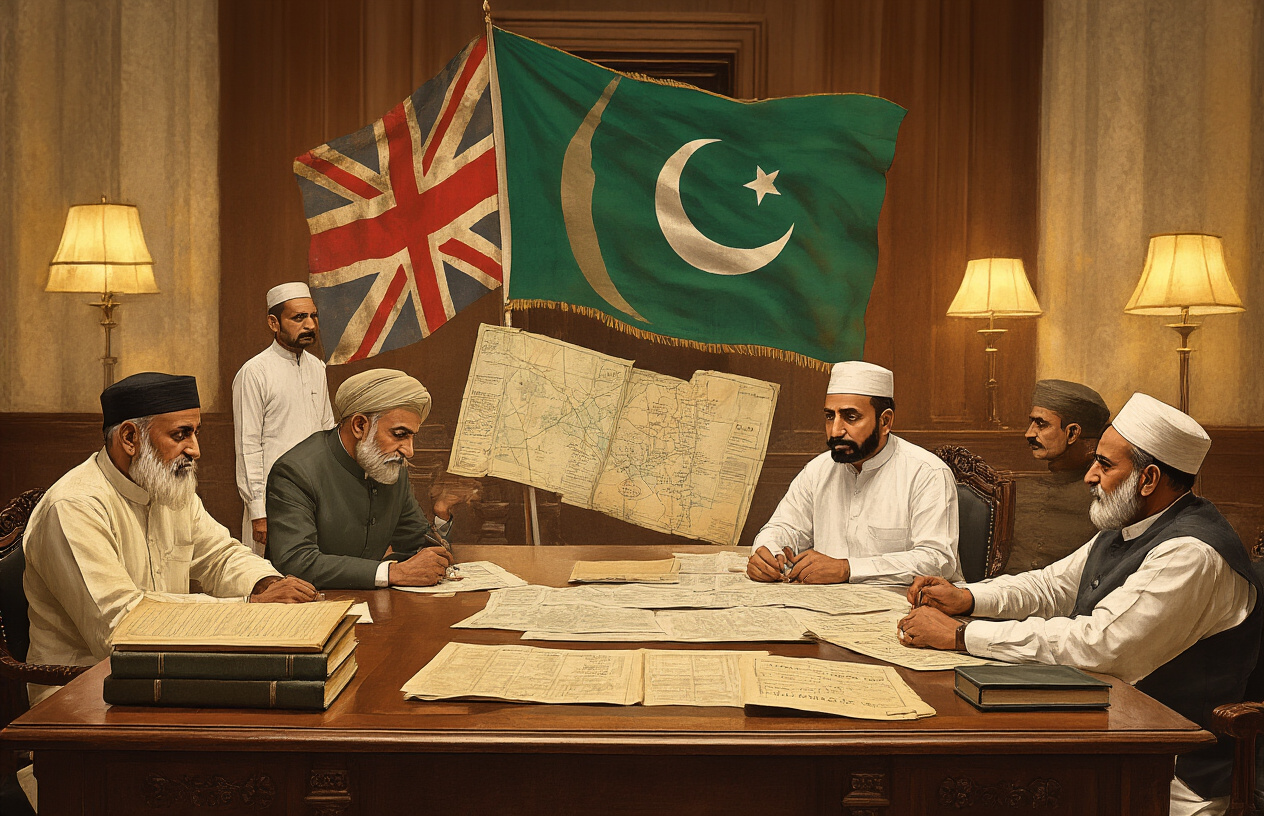
The partition of British India in 1947 created two independent nations: India and Pakistan. This momentous decision arose from growing communal tensions and the Muslim League’s demand for a separate homeland where Muslims could live according to their religious and cultural values.
Muhammad Ali Jinnah’s two-nation theory argued that Hindus and Muslims constituted separate nations with distinct cultures, languages, and ways of life. Despite opposition from the Indian National Congress and some Muslim leaders, the idea gained widespread support among Muslims, particularly in regions where they formed minorities.
The partition process proved chaotic and tragic. Sir Cyril Radcliffe’s boundary commission had just five weeks to divide territories, leading to arbitrary lines that separated families, communities, and economic regions. The newly created Pakistan consisted of two wings: West Pakistan (present-day Pakistan) and East Pakistan (present-day Bangladesh), separated by over 1,000 miles of Indian territory.
Mass migration followed partition, with approximately 14 million people crossing borders to reach their preferred nation. This movement triggered horrific communal violence, resulting in hundreds of thousands of deaths and leaving lasting scars on both nations.
Pakistan officially came into existence on August 14, 1947, with Jinnah as its first Governor-General and Liaquat Ali Khan as Prime Minister. The new nation faced enormous challenges including refugee rehabilitation, establishing government institutions, defining its relationship with India, and integrating diverse provinces with different languages and cultures into a unified state.
Rich Cultural Heritage and Traditions
Diverse Ethnic Groups and Languages
Pakistan represents a beautiful mosaic of ethnic diversity, where multiple groups have coexisted for centuries. The Punjabis form the largest ethnic group, making up about 45% of the population, primarily concentrated in the eastern provinces. Sindhi people, with their rich maritime heritage, dominate the southeastern regions along the Arabian Sea coast. The Pashtuns, known for their warrior traditions and hospitality codes, inhabit the northwestern frontiers and tribal areas.
Baloch tribes, with their nomadic roots and desert culture, spread across the vast southwestern province of Baluchistan. Smaller ethnic communities include the Muhajirs (Urdu-speaking migrants from India), Hazaras with their Central Asian origins, and various regional groups like Seraikis, Kashmiris, and Brahuis.
This ethnic tapestry reflects in the country’s linguistic landscape. Urdu serves as the national language and lingua franca, while Punjabi commands the largest number of native speakers. Sindhi, Pashto, and Balochi hold official status in their respective provinces. Regional dialects like Saraiki, Hindko, and Brahui add further richness to this multilingual environment.
Each language carries distinct literary traditions, from classical Punjabi poetry by Baba Farid to the revolutionary verses of Sindhi poets like Shah Abdul Latif Bhittai. The Pashto language preserves ancient oral traditions through folk tales and epic narratives that have been passed down through generations.
Religious Practices and Islamic Influence
Islam profoundly shapes Pakistani society, with over 96% of the population identifying as Muslim. The majority follows Sunni Islam, while Shia Muslims constitute a significant minority. This Islamic foundation influences daily routines, from the five daily prayers that punctuate the day to the observance of Ramadan fasting.
Sufi traditions hold special significance in Pakistani religious culture. Shrines of Sufi saints like Data Ganj Bakhsh in Lahore, Lal Shahbaz Qalandar in Sehwan, and Shah Rukn-e-Alam in Multan attract millions of devotees annually. These spiritual centers blend mystical Islamic practices with local customs, creating unique devotional traditions involving qawwali music and spiritual dancing.
Religious festivals mark the social calendar throughout the year. Eid-ul-Fitr celebrates the end of Ramadan with communal prayers, special meals, and gift-giving. Eid-ul-Adha commemorates Abraham’s sacrifice through ritualistic animal offerings and sharing meals with the less fortunate.
The concept of Islamic brotherhood influences social interactions, business practices, and community support systems. Religious education through madrasas operates alongside secular schooling, while Islamic banking principles guide financial institutions. Mosque architecture showcases distinctive Pakistani interpretations of Islamic design, featuring intricate tile work, geometric patterns, and towering minarets that define city skylines.
Traditional Arts, Music, and Literature
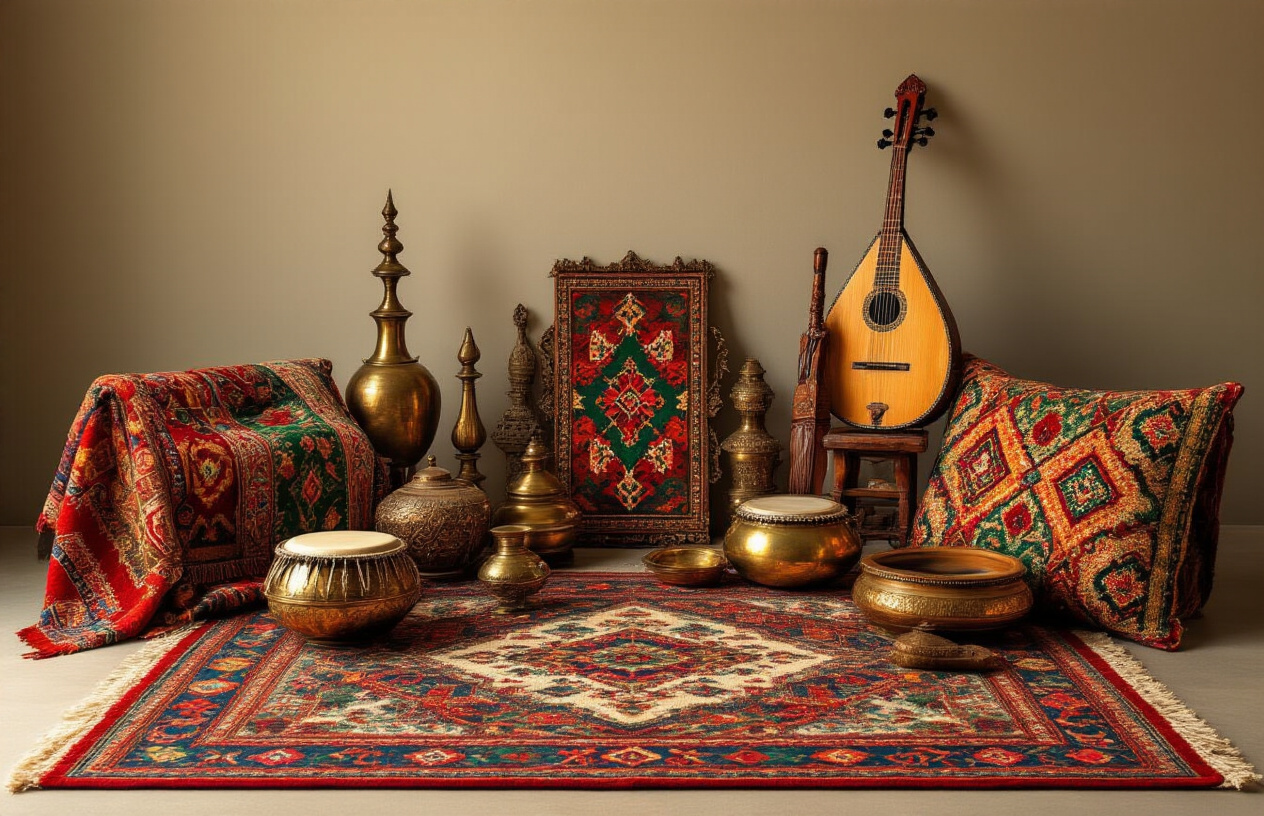
Pakistani artistic expression flourishes through diverse mediums that reflect regional aesthetics and cultural narratives. Truck art represents one of the most vibrant folk art traditions, transforming commercial vehicles into mobile galleries decorated with colorful paintings, poetry, and metalwork. Artisans use bold colors and intricate patterns to create these moving masterpieces that travel across the country’s highways.
Miniature painting traditions, inherited from Mughal courts, continue through skilled artists who create detailed works on paper and ivory. Calligraphy holds sacred status, with master calligraphers producing beautiful renditions of Quranic verses and classical poetry using traditional Arabic and Persian scripts.
Music traditions span from classical forms to folk genres. Qawwali, the devotional music associated with Sufi practices, gained international recognition through artists like Nusrat Fateh Ali Khan. Regional folk music includes Punjabi bhangra, Balochi balads, Sindhi folk songs, and Pashtun traditional melodies played on instruments like the rubab, tabla, and harmonium.
Pakistani literature boasts rich traditions in multiple languages. Urdu poetry reached extraordinary heights through masters like Allama Iqbal, Faiz Ahmed Faiz, and Ghalib. Contemporary authors like Intizar Hussain and Bapsi Sidhwa have gained international acclaim for their novels exploring Pakistani identity and social themes. Regional literature in Punjabi, Sindhi, Pashto, and Balochi preserves local stories, legends, and cultural wisdom through oral and written traditions.
Festivals and Celebrations
Pakistani celebrations blend religious observances with cultural festivities that bring communities together throughout the year. Religious festivals dominate the social calendar, with Eid-ul-Fitr and Eid-ul-Adha being the most significant celebrations. These occasions involve special prayers, elaborate feasts featuring traditional dishes like biryani and sewai, and the exchange of gifts and money among family members and friends.
Mawlid-un-Nabi commemorates Prophet Muhammad’s birthday through processions, decorative illuminations, and community gatherings where people share sweets and recite religious poetry. Shab-e-Barat, the night of forgiveness, sees families preparing special foods and offering prayers for deceased relatives.
Cultural festivals celebrate regional heritage and agricultural cycles. Shandur Polo Festival in the northern mountains combines the ancient sport of polo with folk music and dance performances. Lok Mela showcases traditional crafts, regional cuisines, and folk performances from across the country. The spring festival of Basant, centered around kite flying, brings colorful celebrations to Punjab’s skies, though safety concerns have led to periodic restrictions.
Harvest festivals like Baisakhi mark agricultural seasons with folk dances, traditional songs, and community feasts. Wedding celebrations extend over multiple days, featuring mehndi ceremonies with henna designs, musical performances, and elaborate banquets that often involve entire neighborhoods.
Regional celebrations reflect local customs: Sindhi Ajrak and Topi Day promotes cultural identity, while Pashtun communities celebrate traditional jirga customs. These festivals preserve cultural knowledge, strengthen social bonds, and provide opportunities for artistic expression through music, dance, and traditional crafts.
Islamabad – The Modern Capital City
Strategic Location and Urban Planning
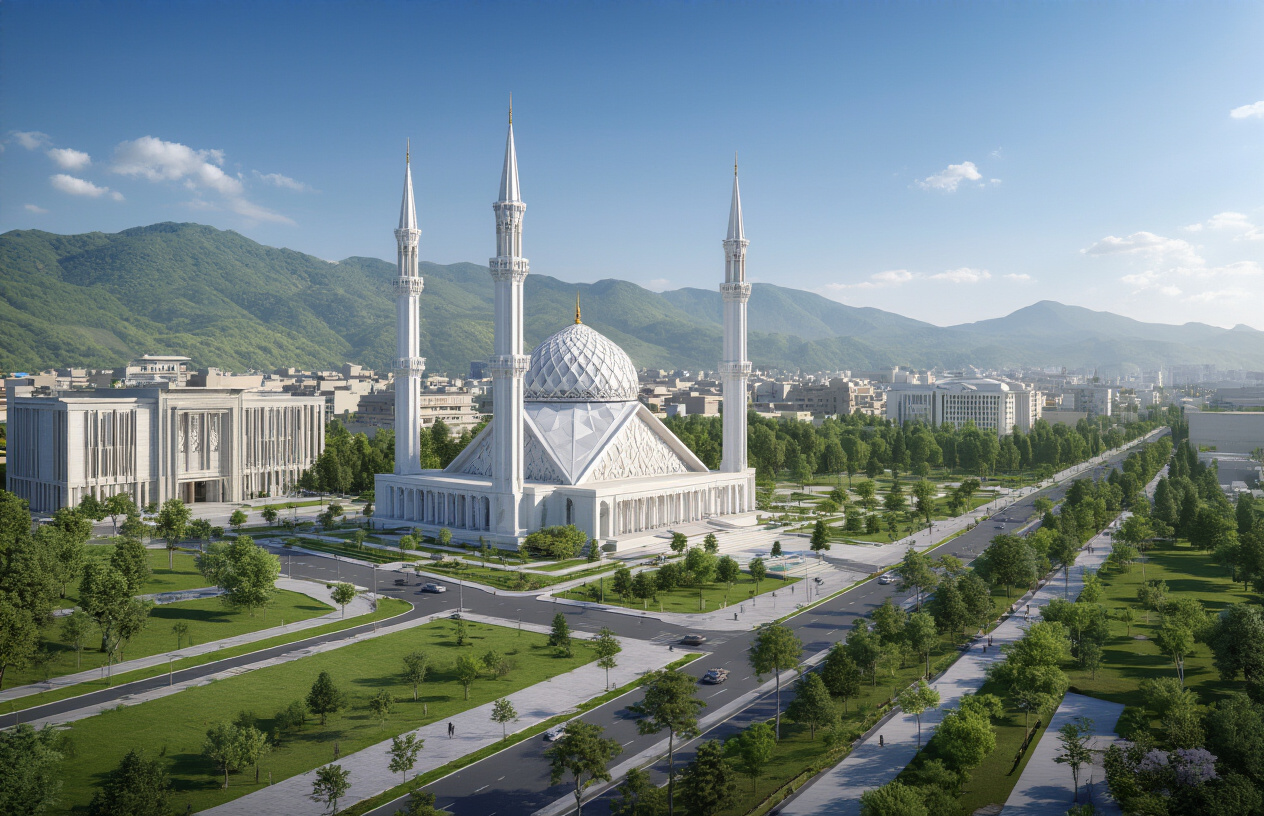
Nestled against the Margalla Hills in northern Pakistan, Islamabad stands as one of the world’s most carefully planned capital cities. The city came to life in the 1960s when the Pakistani government decided to move the capital from Karachi to a more centrally located area. Greek architect Constantinos Apostolou Doxiadis designed this modern metropolis with a vision that blended functionality with natural beauty.
The city’s layout follows a grid system divided into numbered sectors, each serving specific purposes – residential, commercial, diplomatic, or governmental. Wide, tree-lined avenues connect these sectors, creating an organized urban environment that’s rare in South Asia. The master plan prioritized green spaces, ensuring that parks, gardens, and the natural landscape remain integral parts of the city’s identity.
Islamabad’s strategic position offers several advantages. Located roughly 300 kilometers north of Karachi and close to the historic city of Rawalpindi, it serves as a bridge between Pakistan’s major population centers. The nearby Islamabad International Airport connects the capital to major cities worldwide, while excellent road networks link it to other parts of the country.
Government Buildings and Administrative Centers
The heart of Pakistan’s political power beats strongest in Islamabad’s government sector. The Parliament House, with its distinctive modern architecture, houses both the National Assembly and Senate. This impressive structure features a central hall covered by a striking dome, where Pakistan’s most important legislative decisions take place.
The Prime Minister’s House, known locally as PM House, sits on a sprawling estate that serves as both the official residence and workplace of the country’s chief executive. Security concerns and protocol requirements shape every aspect of this complex, from its landscaped grounds to its state-of-the-art communication facilities.
The Supreme Court of Pakistan commands respect with its imposing facade and symbolic importance as the highest judicial authority in the country. The building’s design reflects both modern architectural principles and traditional Islamic elements, creating a structure that feels both contemporary and rooted in local culture.
Other key administrative buildings include the Foreign Office, which handles Pakistan’s diplomatic relations, and various ministry headquarters that manage everything from defense to education. The President House (Aiwan-e-Sadr) serves as the official residence of Pakistan’s head of state, hosting foreign dignitaries and important state functions.
Educational Institutions and Cultural Landmarks
Education takes center stage in Islamabad through several world-class institutions. Quaid-i-Azam University, named after Pakistan’s founder Muhammad Ali Jinnah, ranks among the country’s top research universities. The campus sprawls across 1,700 acres of scenic landscape, offering programs in sciences, social sciences, and humanities to students from across Pakistan and beyond.
The International Islamic University Islamabad attracts students from Muslim countries worldwide, specializing in Islamic studies while also offering modern disciplines. Air University, run by the Pakistan Air Force, excels in engineering and technology education, contributing to the country’s defense capabilities and technological advancement.
Cultural landmarks dot the city, each telling part of Pakistan’s story. The Faisal Mosque stands as Islamabad’s most recognizable symbol – a massive structure that can accommodate 100,000 worshippers. Its unique design, resembling a Bedouin tent, was created by Turkish architect Vedat Dalokay and remains one of the largest mosques in the world.
The Pakistan Monument, shaped like a blooming flower, represents the four provinces and three territories of Pakistan. Located on Shakarparian Hills, it offers panoramic views of the city and houses a museum dedicated to Pakistan’s history and culture. The Lok Virsa Museum showcases the country’s rich folk heritage through traditional crafts, music, and artifacts from different regions.
The F-9 Park provides residents with recreational space and hosts cultural events throughout the year, while the Margalla Hills National Park offers hiking trails and wildlife viewing opportunities just minutes from the city center.
Geographic Features and Regional Boundaries
Physical Geography and Climate Zones
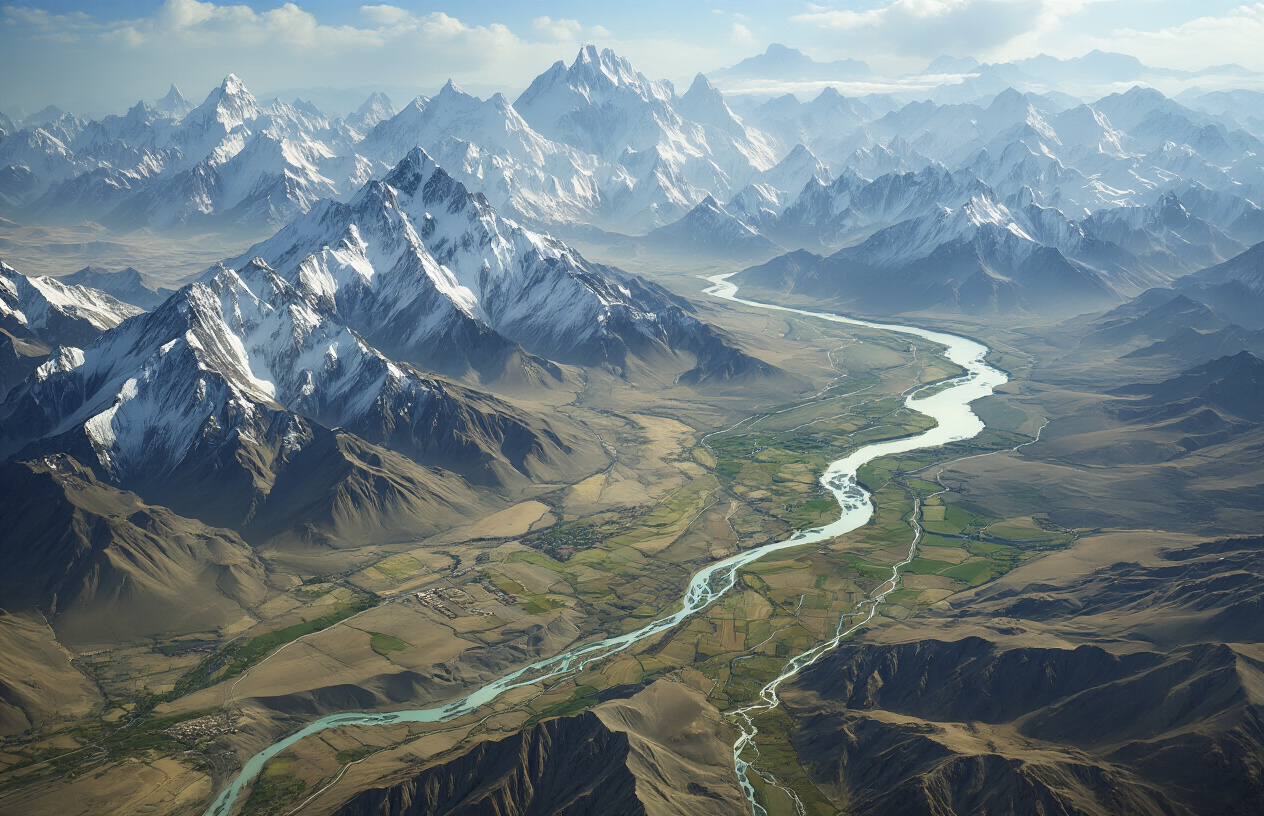
Pakistan spans approximately 881,913 square kilometers across South Asia, featuring incredibly diverse landscapes that range from snow-capped peaks to coastal plains. The country sits between 24° and 37° North latitude, creating distinct climate zones that shape daily life for millions.
The northern regions experience a continental climate with harsh winters and mild summers, while the southern areas enjoy a tropical climate with hot summers and mild winters. The monsoon season from July to September brings vital rainfall, though distribution varies dramatically across regions. Balochistan receives less than 200mm annually, making it largely arid, while some northern areas get over 1,500mm of precipitation.
Four main climate zones define Pakistan’s weather patterns: the highland climate in mountainous regions, the continental climate in Punjab and parts of Khyber Pakhtunkhwa, the arid climate covering most of Balochistan and southern Punjab, and the coastal climate along the Arabian Sea. Temperature extremes range from -20°C in northern winters to over 50°C in southern summers.
Neighboring Countries and Border Relations
Pakistan shares borders with four countries, creating complex geopolitical relationships that influence regional dynamics. To the east lies India, with whom Pakistan shares its longest border at 2,912 kilometers. This frontier remains heavily militarized due to ongoing disputes, particularly over Kashmir.
China borders Pakistan to the northeast across 596 kilometers, representing one of the country’s strongest diplomatic relationships. The China-Pakistan Economic Corridor exemplifies this partnership, connecting Kashgar to Gwadar port through infrastructure development.
Afghanistan forms Pakistan’s western boundary along 2,430 kilometers, creating challenges related to security, refugee movements, and trade. The Durand Line, established in 1893, remains contested by Afghanistan but serves as the de facto international border.
Iran shares a 909-kilometer border with Pakistan’s Balochistan province to the southwest. Despite sectarian differences, both countries maintain diplomatic relations and cooperate on various regional issues.
Major Rivers, Mountains, and Natural Resources
The Indus River system dominates Pakistan’s hydrology, flowing 3,180 kilometers from Tibet through the entire country before emptying into the Arabian Sea. This river network includes major tributaries like the Jhelum, Chenab, Ravi, and Sutlej, creating the fertile Punjab plains that feed much of South Asia.
Pakistan contains three major mountain ranges. The Himalayas stretch across the north, housing K2, the world’s second-highest peak at 8,611 meters. The Karakoram range features numerous peaks above 7,000 meters, while the Hindu Kush extends into the northwest regions.
Natural resources include substantial coal reserves, particularly in Thar Desert and Balochistan. The country holds significant natural gas deposits, with Sui gas fields being historically important. Salt deposits in Punjab, including the famous Khewra Salt Mine, represent some of the world’s largest reserves. Copper and gold mining potential exists in Balochistan, while the Tarbela and Mangla dams harness hydroelectric power from mountain rivers.
Agricultural resources center on the Indus basin’s fertile alluvium, supporting crops like wheat, rice, cotton, and sugarcane that form the backbone of Pakistan’s rural economy.
National Symbols and Flag Significance
Flag Design Elements and Colors Meaning
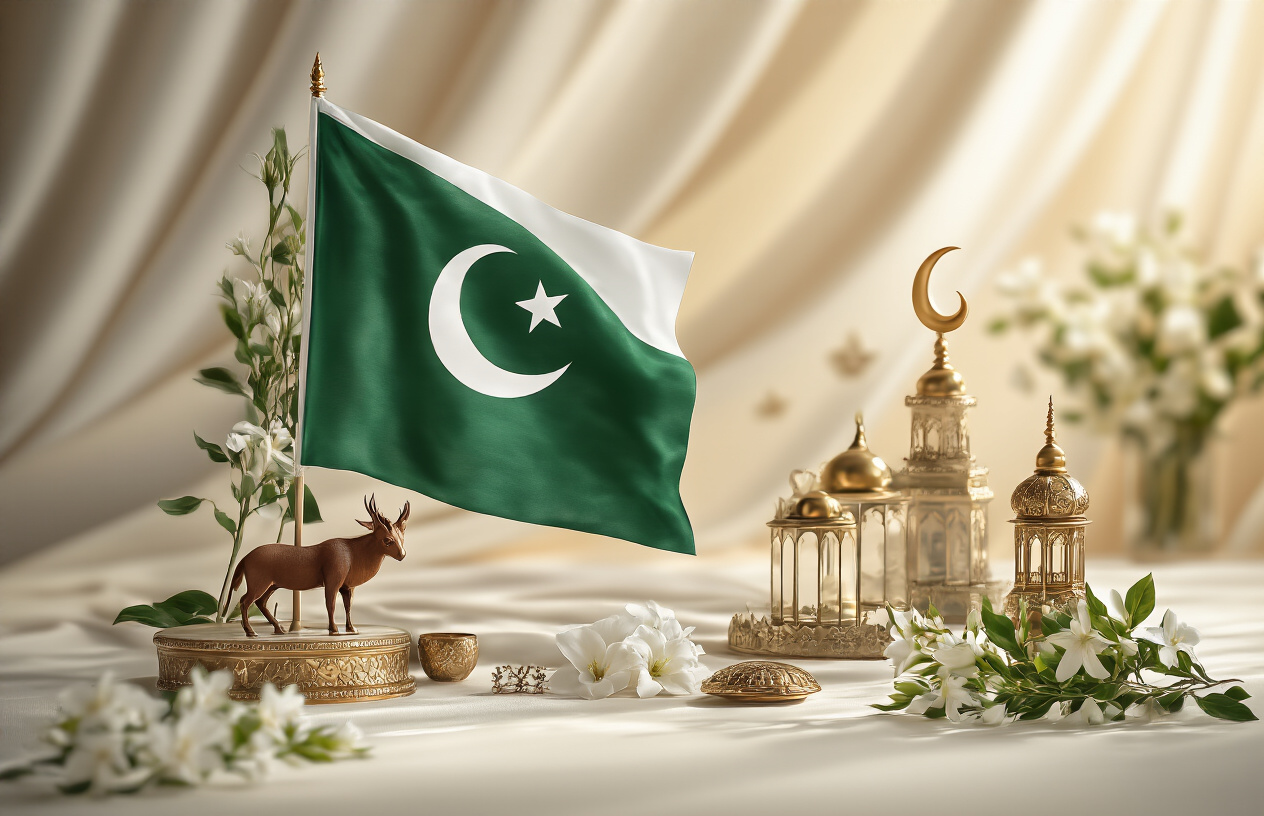
The Pakistani flag stands as one of the most recognizable symbols of the Islamic Republic, featuring a distinctive design rich with cultural and religious symbolism. The flag consists of a dark green field with a white crescent moon and five-pointed star, alongside a white vertical stripe on the hoist side representing Pakistan’s religious minorities.
The dominant green color holds deep significance in Islamic tradition, symbolizing prosperity, peace, and the Muslim majority population that comprises over 95% of the country. This verdant shade connects Pakistan to its Islamic heritage while representing hope and progress for the nation’s future. The white crescent moon and star, both traditional Islamic symbols, reinforce the country’s religious identity. The crescent represents progress and the bright future ahead, while the five-pointed star symbolizes light and knowledge.
The white vertical stripe serves as a powerful reminder of Pakistan’s commitment to protecting its religious minorities, including Christians, Hindus, Sikhs, and other communities. This design element reflects the vision of Pakistan’s founder, Muhammad Ali Jinnah, who emphasized that Pakistan would be a homeland where all citizens, regardless of their faith, would enjoy equal rights and protection.
The flag’s proportions follow a 2:3 ratio, with the white stripe occupying one-quarter of the flag’s width. The crescent and star are positioned centrally within the green field, creating a balanced and harmonious visual composition that has remained unchanged since the country’s independence.
National Anthem and State Emblem
“Qaumi Taranah” serves as Pakistan’s national anthem, composed by Ahmad G. Chagla with lyrics penned by Abu-Al-Asar Hafeez Jullandhuri. The anthem beautifully captures the nation’s Islamic identity and collective aspirations through poetic verses that celebrate Pakistan as a sacred homeland blessed by divine providence.
The lyrics emphasize themes of unity, faith, and national pride, declaring Pakistan as “the fort of Islam” and expressing gratitude for the country’s creation. Written in Persian and Urdu, the anthem reflects Pakistan’s linguistic heritage and cultural connections to the broader Islamic world. The melodic composition creates an uplifting and patriotic atmosphere that resonates deeply with Pakistani citizens during national ceremonies and sporting events.
Pakistan’s state emblem features a crescent and star positioned above a shield adorned with cotton, wheat, tea, and jute – representing the country’s major agricultural products. The shield is supported by floral wreaths, symbolizing the nation’s natural beauty and agricultural abundance. A scroll beneath the emblem displays the national motto “Iman, Ittehad, Nazm” (Faith, Unity, Discipline) in Urdu script.
The emblem incorporates Islamic architectural elements through its quatrefoil design, connecting the symbol to the rich artistic traditions found throughout Pakistan’s historic mosques and monuments. Each element within the emblem tells a story about Pakistan’s economic foundation, cultural values, and spiritual identity.
Historical Evolution of National Symbols
Pakistan’s national symbols underwent careful consideration and development during the tumultuous period surrounding the country’s independence in 1947. The flag design emerged from the All-India Muslim League’s original banner, which featured similar green coloring and Islamic symbolism but required modification to represent the newly formed nation.
Muhammad Ali Jinnah personally influenced the flag’s final design, insisting on the inclusion of the white stripe to represent non-Muslim minorities. This addition transformed a religious symbol into a truly national emblem that acknowledged Pakistan’s diverse population while maintaining its Islamic character.
The national anthem’s creation process spanned several years, with the government organizing competitions to select appropriate lyrics and music. The current anthem was officially adopted in 1954, replacing “Pakistan Zindabad” which had served as the interim national song. The selection process emphasized the need for lyrics that would inspire patriotism while reflecting Pakistan’s Islamic ideology.
The state emblem evolved through multiple iterations during the early years of independence. Government committees worked with local artists and Islamic scholars to create a design that would appropriately represent Pakistan’s agricultural economy, Islamic heritage, and constitutional principles. The final design was officially adopted in 1954, the same year as the national anthem.
These symbols continue to play vital roles in Pakistani society, appearing on official documents, currency, government buildings, and during national celebrations. They serve as unifying elements that transcend regional, linguistic, and ethnic differences, reminding citizens of their shared national identity and common values.
Demographics and Population Distribution
Current Population Statistics and Growth Trends
Pakistan ranks as the world’s fifth most populous country with approximately 240 million people as of 2024. The population has experienced remarkable growth since independence in 1947, when it stood at around 32 million. This represents a nearly eight-fold increase over seven decades.
The country’s annual population growth rate currently hovers around 2.0%, which means Pakistan adds roughly 4.8 million new residents each year. This growth pattern reflects improved healthcare systems, declining infant mortality rates, and cultural factors that traditionally favor larger families. The population is expected to reach 300 million by 2030 if current trends continue.
Birth rates remain relatively high at approximately 28 births per 1,000 people, while death rates have dropped significantly to about 7 deaths per 1,000 people. This demographic momentum creates a young population structure with significant implications for future economic development and social planning.
Urban vs Rural Population Patterns
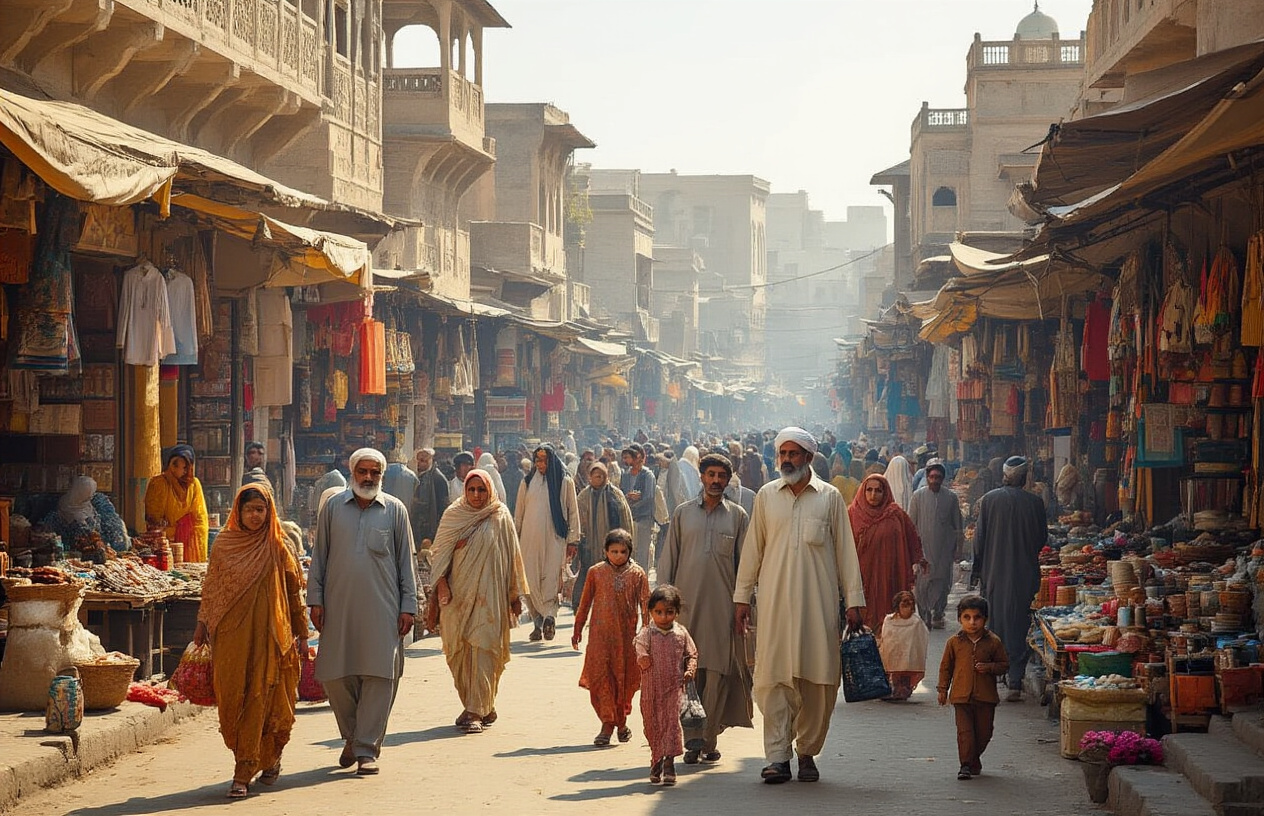
Pakistan’s population distribution shows a fascinating shift toward urbanization. Currently, about 37% of Pakistanis live in urban areas, while 63% remain in rural communities. This urban percentage has been steadily climbing from just 17% at independence.
Rural areas continue to house the majority of the population, with agriculture serving as the primary livelihood. These communities are scattered across fertile plains, particularly in Punjab and Sindh provinces. Village life revolves around farming cycles, extended family networks, and traditional social structures.
Urban centers attract millions seeking better employment opportunities, education, and healthcare services. Cities like Karachi, Lahore, and Faisalabad have grown exponentially, often straining infrastructure and public services. The urban migration trend accelerates each year, with an estimated 3% annual shift from rural to urban living.
| Population Type | Percentage | Estimated Numbers (millions) |
|---|---|---|
| Urban | 37% | 89 |
| Rural | 63% | 151 |
Age Demographics and Literacy Rates
Pakistan boasts an exceptionally young population, with a median age of just 23 years. Nearly 64% of citizens are under 30 years old, creating what economists call a “demographic dividend” – a large working-age population that could drive economic growth if properly educated and employed.
The age breakdown reveals striking patterns:
- 0-14 years: 35% of the population
- 15-64 years: 60% of the population
- 65+ years: 5% of the population
Literacy rates have improved dramatically but still present challenges. The overall literacy rate stands at approximately 62%, with significant disparities between genders and regions. Male literacy reaches 72%, while female literacy lags at 51%. Urban areas achieve much higher literacy rates (76%) compared to rural regions (51%).
Educational enrollment has expanded rapidly, with primary school attendance now exceeding 85% in most provinces. The government has launched numerous initiatives to boost female education and adult literacy programs, recognizing education as crucial for economic development.
Major Cities and Population Centers
Pakistan’s urban landscape centers around several megacities that serve as economic and cultural hubs. Karachi dominates as the largest city and commercial capital, housing over 16 million residents in its metropolitan area. This port city generates roughly 20% of Pakistan’s GDP and serves as the country’s financial nerve center.
Lahore, the cultural heart of Punjab province, hosts approximately 13 million people and maintains its status as an educational and artistic center. The city’s rich Mughal heritage attracts millions of tourists while its universities produce many of the country’s professionals.
Other significant urban centers include:
- Faisalabad (3.8 million): Pakistan’s textile manufacturing hub
- Rawalpindi (2.2 million): Military headquarters and twin city to Islamabad
- Multan (2.1 million): Agricultural trading center in southern Punjab
- Peshawar (2.0 million): Gateway to Afghanistan and Khyber Pakhtunkhwa’s capital
- Quetta (1.1 million): Strategic city near the Iranian and Afghan borders
These cities face common challenges including traffic congestion, water scarcity, and housing shortages as rural migrants continue arriving in search of opportunities. Urban planning efforts struggle to keep pace with rapid population growth, creating both opportunities and obstacles for Pakistan’s development trajectory.
Economic Structure and Development

Key Industries and Manufacturing Sectors
Pakistan’s industrial landscape showcases impressive diversity across multiple sectors. The textile industry stands as the backbone of manufacturing, contributing roughly 60% of total exports and employing millions of workers nationwide. Cotton processing, garment production, and fabric manufacturing dominate this sector, with major hubs in Karachi, Lahore, and Faisalabad.
The automotive industry has experienced remarkable growth, particularly after the Auto Development Policy 2016-21. Local assembly plants produce vehicles for brands like Toyota, Honda, Suzuki, and Hyundai, while new entrants including Chinese manufacturers have established production facilities. This sector creates substantial employment opportunities and reduces import dependency.
Steel production represents another crucial manufacturing pillar, with Pakistan Steel Mills and private sector companies meeting domestic demand while exploring export potential. The cement industry thrives due to ongoing construction projects and infrastructure development, positioning Pakistan among the world’s top cement producers.
Information technology and telecommunications have emerged as high-growth sectors. Software houses in Karachi, Lahore, and Islamabad export IT services globally, while the telecom infrastructure supports a rapidly expanding digital economy. The pharmaceutical industry produces both generic and branded medicines, serving domestic needs and exporting to regional markets.
Chemical and petrochemical industries benefit from local raw material availability, producing fertilizers, plastics, and industrial chemicals that support agriculture and manufacturing sectors.
Agriculture and Natural Resource Exploitation
Agriculture remains fundamental to Pakistan’s economy, employing approximately 40% of the labor force and contributing significantly to GDP. The Indus River system creates one of the world’s largest irrigation networks, supporting cultivation across Punjab and Sindh provinces.
Major crops include wheat, rice, cotton, and sugarcane. Pakistan ranks among the top global producers of cotton and rice, with basmati rice particularly prized in international markets. Wheat production meets most domestic consumption needs, while cotton feeds the textile industry and generates export revenue.
Livestock farming contributes substantially to agricultural output, with Pakistan maintaining one of the world’s largest buffalo populations. Dairy products, meat, and leather represent important agricultural derivatives that support both domestic consumption and export markets.
Natural gas reserves provide energy for industrial and domestic use, though production has declined in recent years. Coal deposits in Sindh province offer potential for power generation, while the Reko Diq copper-gold project in Balochistan represents one of the world’s largest undeveloped mineral deposits.
Water resources face increasing pressure from population growth and climate change. The government has initiated dam construction projects to improve water storage and hydroelectric power generation, addressing both agricultural needs and energy security.
Trade Relations and Export Markets
Pakistan maintains diverse trading relationships across multiple continents, with exports valued at approximately $31 billion annually. The European Union represents the largest export destination, accounting for roughly 30% of total exports, primarily textiles and garments benefiting from GSP+ trade preferences.
China has become Pakistan’s largest trading partner through the China-Pakistan Economic Corridor (CPEC) initiative. This relationship includes infrastructure investment, technology transfer, and expanded bilateral trade. Chinese imports include machinery, electronics, and industrial equipment, while Pakistan exports textiles, agricultural products, and raw materials.
The United States remains a significant market for Pakistani textiles, surgical instruments, and sports goods. Despite periodic political tensions, trade relations continue based on mutual economic interests and Pakistan’s strategic importance in regional stability.
Middle Eastern countries, particularly the UAE and Saudi Arabia, serve as both export destinations and sources of remittances from Pakistani workers. These relationships involve energy cooperation, investment flows, and labor mobility agreements.
Regional trade within South Asia faces political constraints, though economic potential remains substantial. Trade with India, once Pakistan’s natural trading partner due to geographic proximity, remains limited due to political tensions, representing a significant missed opportunity for both economies.
Economic Challenges and Growth Opportunities
Pakistan faces persistent fiscal deficits and external debt burdens that constrain economic growth. The current account deficit fluctuates based on commodity prices and remittance flows, requiring careful monetary policy management. Inflation pressures affect household purchasing power and business planning, while currency volatility impacts import costs and export competitiveness.
Energy shortages have historically limited industrial productivity and economic growth. Load shedding affects manufacturing operations, while high energy costs reduce competitiveness in international markets. Recent investments in renewable energy, particularly solar and wind power, offer promising solutions for sustainable energy security.
Infrastructure gaps limit economic potential, though CPEC projects address some transportation and energy bottlenecks. Improved connectivity between production centers and ports can reduce logistics costs and enhance export competitiveness.
The young demographic profile presents both challenges and opportunities. With over 60% of the population under 30, Pakistan needs substantial job creation to absorb new workforce entrants. This demographic dividend could drive economic growth through increased productivity and consumption if properly channeled through education and skills development.
Technology adoption offers significant growth potential, particularly in financial inclusion through mobile banking and e-commerce development. The digital economy can create employment opportunities while improving service delivery and government efficiency.
Export diversification remains crucial for reducing dependence on textile exports and achieving sustainable growth. Value-added manufacturing, agricultural processing, and service exports could broaden the economic base and enhance resilience against external shocks.
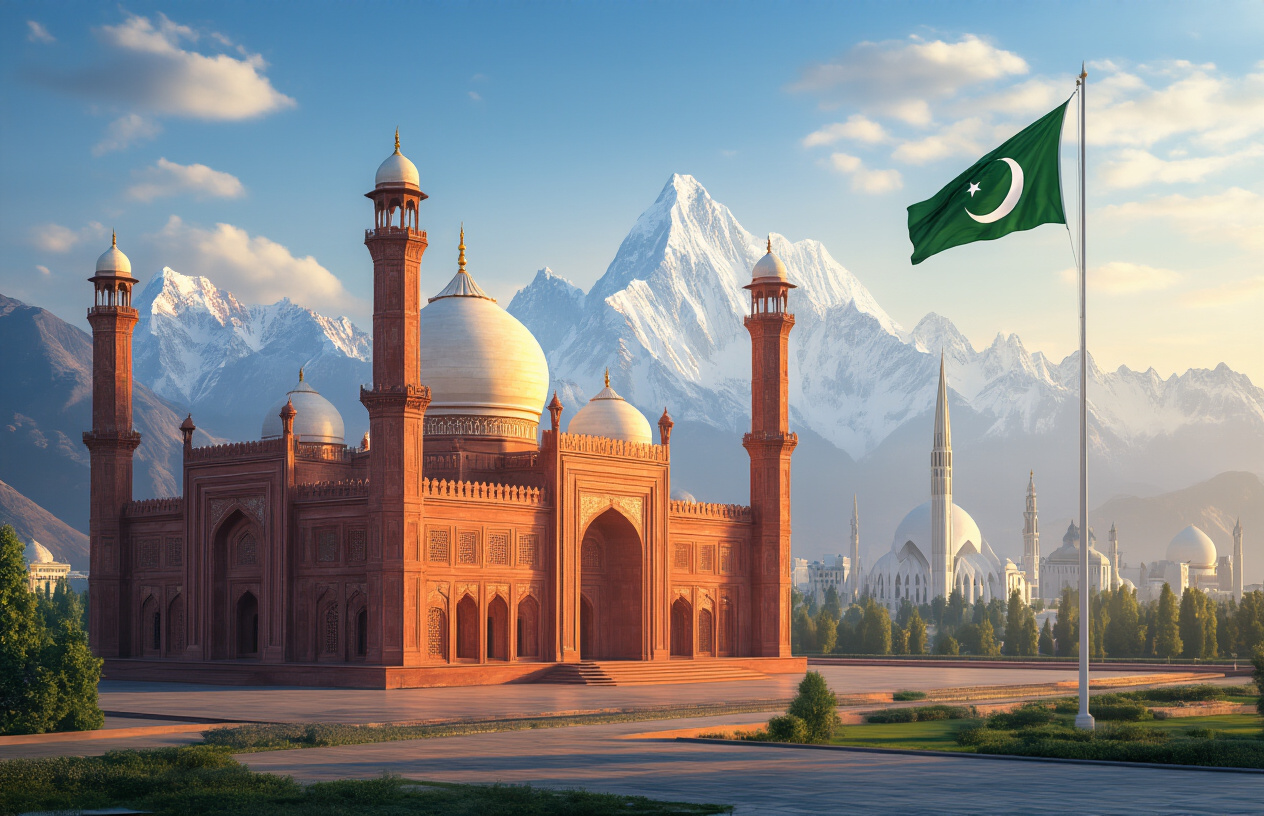
Pakistan stands as a testament to resilience and cultural richness, with its journey from partition to modern nationhood reflecting the determination of its people. From the bustling streets of Islamabad to the diverse landscapes that span from mountains to coastlines, this nation offers a fascinating blend of ancient traditions and contemporary aspirations. The green and white flag serves as more than just a symbol—it represents the hopes and unity of over 230 million citizens who call this land home.
The country’s economic potential remains significant despite challenges, with agriculture, textiles, and emerging tech sectors pointing toward promising opportunities ahead. Pakistan’s story continues to unfold as it balances preserving its deep-rooted cultural heritage with embracing modernization and development. For anyone seeking to understand South Asian dynamics or explore a nation where history meets ambition, Pakistan presents a compelling narrative worth following.

Author: Nasir Uddin
Nasir Uddin is a dedicated writer and researcher at BanglaLook.com, where he explores topics related to education, Bangladeshi culture, lifestyle, and travel. With a strong passion for learning and storytelling, he blends personal observation with well-researched insights to help readers better understand Bangladesh and the world around them.