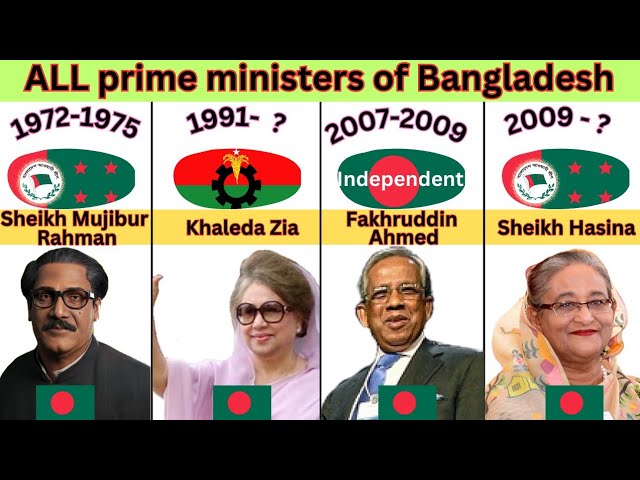
When you think about Bangladesh, what comes to mind? The vibrant culture, stunning landscapes, or perhaps its remarkable history?
One significant aspect of that history is its leadership. Understanding the role of each Prime Minister in shaping the nation is essential for grasping the complexities of Bangladesh today. From the struggles for independence to modern-day governance, each leader has left a unique mark.
You will discover the stories of all the Prime Ministers of Bangladesh, their challenges, achievements, and contributions to the country. You might be surprised by the impacts they’ve had on your daily life, even if you don’t realize it. Ready to dive in? Let’s explore how these leaders have influenced Bangladesh’s path and what that means for you.
The Birth Of A Nation
The birth of Bangladesh as an independent nation is a story woven with courage, resilience, and a relentless pursuit of freedom. The struggle for independence in 1971 was not just about breaking away from Pakistan; it was about forging an identity and establishing a government that would reflect the aspirations of its people. At the heart of this monumental change were the leaders who played pivotal roles, shaping the course of history and laying the groundwork for the nation we know today.
The Role Of Leadership In Independence
Leadership during the independence movement was crucial. Figures like Sheikh Mujibur Rahman emerged as symbols of hope and determination. His unwavering commitment inspired millions to join the struggle for liberation.
Sheikh Mujib’s charisma and vision united people from diverse backgrounds. He articulated the dreams and aspirations of Bengalis, making them feel heard and valued. This connection to the masses was vital for mobilizing support.
As you reflect on this period, consider how effective leadership can shape a nation’s destiny. Would Bangladesh be the same today without such strong figures? The leadership during the liberation war set a precedent for future governance.
Formation Of The Prime Minister’s Office
Following independence, the formation of the Prime Minister’s Office marked a significant step in establishing a functional government. Sheikh Mujibur Rahman became the first Prime Minister, navigating the challenges of building a new state. His government focused on reconstruction and development, laying the groundwork for future administrations.
The Prime Minister’s Office emerged as a central hub for policy-making and governance. It was crucial in addressing the needs of a war-torn nation. From economic recovery to social reforms, the office played a key role in shaping the country’s trajectory.
Ask yourself: how does effective governance influence your life today? The decisions made within that office continue to impact various aspects of daily life in Bangladesh. Understanding this history helps appreciate the complexities of governance in a nation that has come so far.

Founding Leaders
Bangladesh has a rich history shaped by its founding leaders. These leaders played crucial roles in establishing the nation. They faced many challenges and built a vision for the future. Their determination and courage paved the way for a new country. Let’s explore the contributions of these influential figures.
Sheikh Mujibur Rahman’s Vision
Sheikh Mujibur Rahman is known as the Father of the Nation. He dreamed of a free and independent Bangladesh. His vision focused on democracy, justice, and equality. He believed in the power of the people.
Sheikh Mujib worked tirelessly for the rights of Bengali people. He united them during the struggle for independence. His leadership inspired many to join the movement. He aimed to create a nation where everyone could thrive.
Challenges Of A New Nation
After independence, Bangladesh faced many obstacles. The country was left in ruins after the war. There was a shortage of food, shelter, and healthcare. The economy was weak, and infrastructure was damaged.
Sheikh Mujib and his team had to rebuild everything. They focused on education and agriculture. They aimed to create jobs and improve living conditions. The task was daunting, but their resolve was strong.
Despite the hardships, the leaders remained hopeful. They believed in the potential of their people. This spirit of resilience helped shape the future of Bangladesh.
Transitions In Power
Bangladesh has seen many leaders since its independence. Each prime minister has shaped the country in different ways. Understanding these transitions in power reveals the political history of Bangladesh.
Transitions in power in Bangladesh have shaped the nation’s political landscape significantly. From the struggles for independence to the challenges of governance, each leadership change has left a lasting impact. Understanding these transitions helps you appreciate the complexities of Bangladesh’s political history.The Assassination Of Sheikh Mujibur Rahman
Sheikh Mujibur Rahman, the founding leader of Bangladesh, was assassinated on August 15, 1975. His murder marked a brutal turning point in the country’s history. Many considered him a symbol of hope and progress. His assassination led to chaos. Political instability reigned, with different factions vying for power. The tragedy not only shocked the nation but also set off a chain reaction of military coups and government changes. You might wonder how this event shaped future leadership. Following his death, the military seized control, leading to a series of authoritarian regimes. This shift dramatically altered the course of democracy in Bangladesh.Military Influence On Leadership
The military has played a pivotal role in Bangladesh’s transitions in power. After Sheikh Mujibur Rahman’s assassination, leaders like Ziaur Rahman and Hussain Muhammad Ershad emerged from the armed forces. Their rule often blurred the lines between military and civilian governance. This military influence created a culture of fear and repression. Political parties struggled to gain a foothold. Many citizens felt disillusioned as democratic processes were often sidelined. Consider how military interventions have affected your view on democracy. The frequent shifts in leadership have led to a cycle of instability. Trust in political institutions has diminished, impacting voter engagement and civic participation. As Bangladesh continues to navigate its political landscape, the lessons from its history remain relevant. Reflecting on these transitions can help you understand the importance of stable governance and the role of citizen engagement in shaping the future.The Democratic Era
The Democratic Era in Bangladesh highlights the leadership of all its Prime Ministers. Each leader has shaped the country’s politics and development. Their decisions have influenced the lives of millions, steering the nation through challenges and progress. Understanding their roles is key to grasping Bangladesh’s political landscape.
The Democratic Era in Bangladesh has been marked by significant political changes and challenges. Since the restoration of democracy in the early 1990s, the nation has witnessed a series of elections, political rivalries, and a quest for stability. This period has shaped the landscape of Bangladeshi politics, with each prime minister leaving a unique imprint on the nation’s journey.Return To Civilian Rule
The return to civilian rule in 1990 was a turning point for Bangladesh. After years of military rule, the people longed for democracy and greater participation in governance. The end of General Ershad’s regime ushered in a new era where the public could vote and influence the political landscape. In 1991, the first free and fair elections were held, leading to the formation of a democratically elected government. This moment marked the triumph of popular will over authoritarianism. Citizens took pride in their ability to shape their country’s future through the ballot box. However, the transition was not without challenges. Political instability and power struggles arose as different parties vied for control. Yet, the resilience of the Bangladeshi people shone through as they continued to advocate for their democratic rights.Elections And Political Rivalries
Elections in Bangladesh have often been charged with intense political rivalries. The battle between the Awami League and the Bangladesh Nationalist Party (BNP) has defined much of the political landscape. This rivalry has led to fierce competition, with each election bringing its own set of challenges. Voter turnout has often been high, reflecting the public’s eagerness to engage in democracy. Yet, allegations of electoral fraud and violence have marred the process. You may recall the contentious 2014 elections that led to widespread protests and a boycott by the BNP, raising questions about the future of democracy in Bangladesh. Political rivalries have also influenced governance and development. Leaders have often prioritized party loyalty over national interests. This raises a critical question: how can Bangladesh overcome these divisions for a more united and prosperous future? The Democratic Era has been a complex journey for Bangladesh. With each election and political shift, the nation continues to navigate its path toward a more stable and inclusive democracy. You are part of this evolving story, and your voice matters in shaping the future of your country.Key Figures Of Modern Bangladesh
The political landscape of Bangladesh has been shaped by prominent leaders who have left a lasting impact on the nation’s development. Key figures like Sheikh Hasina and Khaleda Zia have played crucial roles in steering the country through various challenges. Their leadership styles, policies, and political strategies reflect the complexities of modern Bangladesh.
Sheikh Hasina’s Leadership
Sheikh Hasina has served as Prime Minister of Bangladesh for multiple terms. Her leadership has been marked by significant economic growth and development initiatives. Under her guidance, Bangladesh has made strides in areas like education, health care, and infrastructure.
Hasina’s government has focused on empowering women and reducing poverty. Initiatives like the Women Development Policy have aimed to enhance women’s participation in the workforce. This change is evident in the growing number of women in leadership roles across various sectors.
However, her tenure has not been without controversy. Concerns about human rights and political repression have often been raised. How do you perceive the balance between development and democratic freedoms in Bangladesh?
Khaleda Zia And The Bnp Era
Khaleda Zia, the leader of the Bangladesh Nationalist Party (BNP), has also played a pivotal role in shaping the nation’s political dynamics. Her time in office saw a focus on nationalism and economic reforms. Zia’s administration introduced policies that aimed to boost private sector development.
During her leadership, Bangladesh faced significant challenges, including political instability and economic downturns. The rivalry between Zia and Hasina often led to intense political confrontations. This tension raises questions about the impact of political rivalry on the nation’s progress. Can a country truly thrive when its leaders are at odds?
Both leaders have shaped modern Bangladesh in unique ways. Their contrasting visions highlight the diverse aspirations of the Bangladeshi people. Which leader’s approach resonates more with you and why?
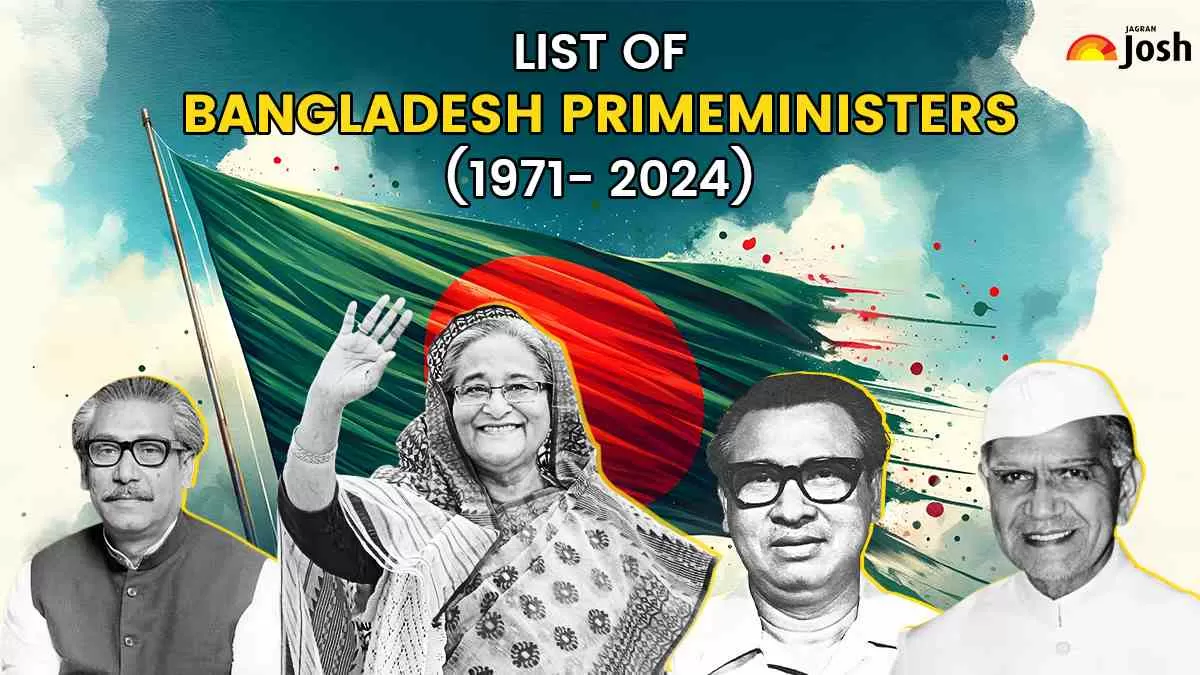
Shifting Political Alliances
Shifting political alliances shape the landscape of Bangladesh’s leadership. Each Prime Minister has navigated changing partnerships. These alliances often influence policies and governance, reflecting the dynamic nature of Bangladeshi politics. Understanding these shifts helps grasp the country’s political history and current events.
Shifting political alliances in Bangladesh have shaped the nation’s journey since independence. The political landscape is dynamic, with parties often forming coalitions to strengthen their positions. Understanding these shifts is essential to grasp how they influence governance and policy-making.Coalitions And Fragmented Politics
The political scene in Bangladesh is marked by frequent shifts in alliances. Major parties like the Awami League and the Bangladesh Nationalist Party often join forces with smaller parties to form coalitions. These alliances can be strategic, aimed at securing a majority in parliament. However, they also lead to fragmented politics, where party loyalty may waver. Voters sometimes feel confused, as platforms change with each election cycle. You might recall the 2014 elections when the opposition boycotted the polls. This created a political vacuum that allowed the ruling party to dominate. Such events raise questions about the legitimacy of governance when alliances shift dramatically.Impact On National Policies
Shifting alliances directly impact national policies. When parties come together, they often need to compromise on key issues. This can lead to policies that satisfy the coalition but may not align with the needs of all citizens. For instance, in education and healthcare, the focus can shift based on who is in power. You might notice that certain programs receive funding one year and are cut the next. This inconsistency can hinder long-term development. Have you felt the effects of these policy changes in your community? The unpredictability can create challenges for businesses and citizens alike. Understanding the nature of these alliances can help you navigate the complexities of Bangladesh’s political system.Economic And Social Progress
Bangladesh has seen significant economic and social progress over the years. Each Prime Minister has played a role in shaping the country’s development. Their efforts focus on improving living standards and boosting the economy. Education and healthcare are key areas that have benefited greatly.
Prime Ministers Driving Development
Bangladesh’s Prime Ministers have prioritized economic growth. They have launched various initiatives to create jobs. These efforts have helped reduce poverty levels. Economic policies have supported local businesses and industries.
Infrastructure projects have also improved connectivity. Better roads and bridges help trade and travel. This leads to more opportunities for citizens. Investment in technology has opened new doors for growth.
Focus On Education And Healthcare
Education is crucial for the nation’s future. Prime Ministers have increased access to schools and colleges. More children now attend school than ever before. This investment in education builds a skilled workforce.
Healthcare improvements have also been significant. Hospitals and clinics have expanded across the country. Vaccination programs have reduced disease outbreaks. Public health campaigns educate people on hygiene and nutrition.
These advancements have led to a healthier population. A strong education system supports economic development. Together, these efforts create a brighter future for Bangladesh.
Challenges Faced By Leaders
Leaders in Bangladesh face many challenges. Political instability often disrupts governance. Economic issues, such as poverty and unemployment, add to their struggle. Balancing development with social needs is a constant battle for every Prime Minister. These hurdles impact their ability to lead effectively and bring about change.
Challenges faced by leaders in Bangladesh have been numerous and complex. Each Prime Minister has had to navigate a landscape filled with unique obstacles that often shape the nation’s political and social fabric. Understanding these challenges can provide valuable insights into the leadership dynamics in Bangladesh.Corruption And Governance Issues
Corruption remains a significant hurdle for leaders in Bangladesh. Transparency International consistently ranks the country low on the corruption index. This pervasive issue erodes public trust and complicates governance. Leaders must tackle deep-rooted corruption while fostering accountability. They face immense pressure from both political opponents and their own party members. A Prime Minister may find themselves caught between maintaining political alliances and implementing necessary reforms. Consider the case of Sheikh Hasina, who has faced accusations of corruption within her administration. This not only affects her credibility but also hampers progress on critical development projects. How can leaders effectively combat corruption without losing support?Balancing Tradition With Modernity
Balancing tradition with modernity presents another challenge for Bangladesh’s leaders. The country has a rich cultural heritage that many citizens cherish. Yet, rapid globalization calls for modernization and progressive policies. Leaders must respect cultural norms while pushing for necessary changes. This balancing act is tricky. For instance, advocating for women’s rights while honoring traditional values can spark intense debate. One Prime Minister might champion educational reforms to empower women. However, backlash from conservative factions can stall these initiatives. How can leaders create dialogue that bridges these gaps and fosters acceptance? Navigating these challenges requires vision and resilience. Leaders in Bangladesh must remain adaptable, ensuring that their policies resonate with both traditional values and modern aspirations. What strategies do you think could help leaders find this balance?The Future Of Leadership
The future of leadership in Bangladesh relies on new ideas and energy. As the country grows, fresh voices emerge. Young leaders can bring change. They understand the challenges ahead. Their vision can shape a better future.
Youth In Politics
Young people are becoming more involved in politics. They bring passion and creativity. Their perspectives are different from older generations. This can lead to better solutions for pressing issues.
Many young leaders are now visible. They are challenging norms and asking tough questions. They want transparency and accountability. Their active participation can inspire others to engage.
Visions For The Next Generation
The next generation envisions a brighter Bangladesh. They dream of a nation with equal opportunities. They hope for a system that values everyone’s voice.
Young leaders focus on education and innovation. They aim to improve access to information and technology. Their plans include sustainable development for all.
Building a future for the youth is crucial. They will lead the country into tomorrow. Their determination and vision can create lasting change.
Frequently Asked Questions
What Is The Salary Of Pm In Bd?
The salary of the Prime Minister of Bangladesh is approximately 1. 24 lakh BDT per month. This amount includes basic pay and various allowances. Salary figures may vary due to adjustments and changes in government policy. Always check official sources for the most accurate and updated information.
What Is The Name Of The 3 Prime Ministers?
The three prime ministers are Rishi Sunak, Liz Truss, and Boris Johnson. Rishi Sunak is the current Prime Minister of the United Kingdom, while Liz Truss and Boris Johnson served earlier in the same year. Each played a significant role in recent British politics.
How Many Presidents Are There In Bangladesh?
Bangladesh has had 15 presidents since its independence in 1971. The president serves as the head of state, with various powers defined in the constitution. Current information may vary, so it’s best to check official sources for the latest updates.
Did Hasina Leave Bangladesh?
No, Sheikh Hasina has not left Bangladesh. She continues to serve as the Prime Minister and actively participates in national affairs. Recent news confirms her presence in the country, focusing on various governance issues and development projects.
Conclusion
Bangladesh has a rich political history. Each Prime Minister played a key role. Their leadership shaped the country’s growth and challenges. Understanding their contributions helps us appreciate Bangladesh today. The journey has been complex and inspiring. Future leaders will continue to influence the nation.
Learning about past leaders guides us toward better choices. Their stories remind us of the power of leadership. This knowledge is essential for every citizen. Stay informed about your country’s history and its leaders. It is vital for a brighter future.

Author: Nasir Uddin
Nasir Uddin is a dedicated writer and researcher at BanglaLook.com, where he explores topics related to education, Bangladeshi culture, lifestyle, and travel. With a strong passion for learning and storytelling, he blends personal observation with well-researched insights to help readers better understand Bangladesh and the world around them.
